Fascia is the body’s integrative tissue: a continuous, connective network that links muscles, bones, nerves and organs into a single, coordinated system. It shapes how force moves through the body, how fluid every action feels and how well you recover from stress or strain.
For decades, fascia remained one of the least explored areas in musculoskeletal medicine. Research now shows that it contains up to ten times more sensory receptors than muscle, making it a major driver of balance, stability and pain perception. When this network is healthy, movement is efficient and joints are naturally protected. When it becomes dehydrated or fibrotic, muscles begin to compensate and recovery slows, often long before anything appears on scans.
“Fascia is the body’s hidden operating system. It’s the network that determines how you move, age and live.”
Inside the Fascial System
Fascial Innervation
01
Fascia contains dense networks of nerve endings, including nociceptors (pain receptors). When the tissue is inflamed or under stress, it can transmit pain signals quickly and intensely, even when joints and muscles appear structurally normal.
Fascial Dysfunction
02
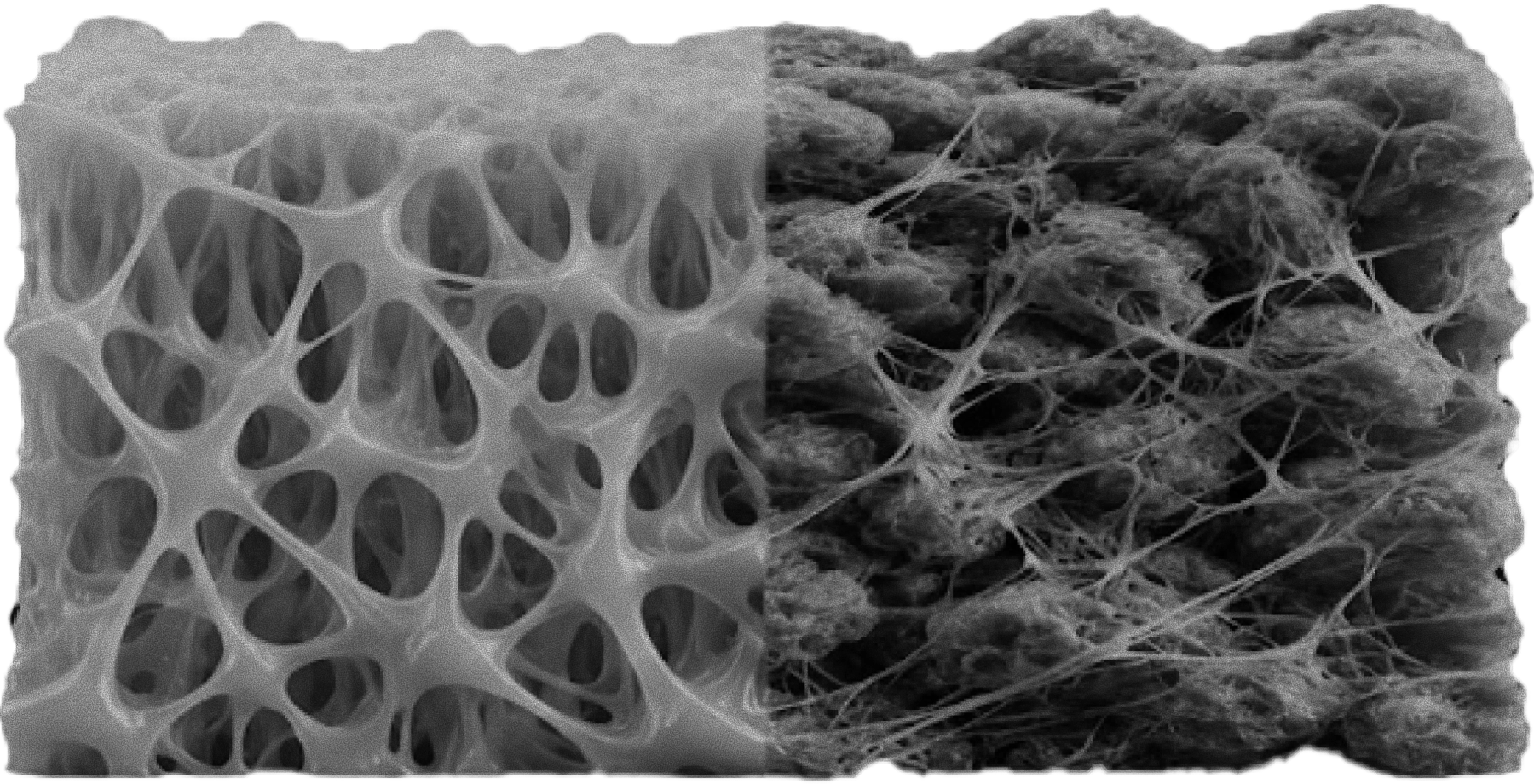
When fascia changes pathologically, it can become fibrotic (scarred), densified (thickened) and stiff. The layers lose their ability to slide past one another, and shear strain drops. The result is restriction, friction and growing demand on nearby muscles and joints.
Neuroplastic Remodeling
03
Chronic pain from fascial dysfunction can rewire both the peripheral and central nervous systems. Over time, the brain may amplify incoming signals, making pain more persistent and harder to resolve if the underlying tissue issue is never addressed.
Dehydrated Fascia
When the tissue loses hydration, its layers stiffen and bind together. Movement becomes restricted, friction builds, and nearby nerves and muscles are forced to compensate — leading to tension, pain, and reduced mobility over time.
Movement restriction
Pain
Lymphatic stagnation
Signalling dysfunction
Somatic dysregulation
Metabolic inefficiency
Hydrated Fascia
Healthy fascia is supple and well-lubricated, allowing muscles, nerves, and joints to glide smoothly. This elasticity supports full range of motion, efficient circulation, and balanced load distribution throughout the body.
Mobility
Ease
Lymphatic drainage
Cellular communication
Emotional stability
Efficient energy system
Why Traditional Medicine Falls Short
Traditional care treats problems in isolation. Fascia doesn’t. A restriction in one area can change mechanics across the body, which is why treating a single joint or muscle often brings only temporary relief.
Most approaches manage symptoms rather than the system driving them. Medication, injections and standard imaging can help in the moment but rarely change long-term function.
A fascia-focused model restores glide, hydration and healthy tension across the network, easing strain on joints and improving how the whole body moves and recovers. It’s a path to lasting, system-wide improvement — not short-term management.
RESTORE Membership
The world's first musculoskeletal longevity protocol —proactive and reactive, built on how our bodies move.
RESTORE is Nuoro’s signature membership, designed for people who want a higher level of physical performance and ongoing medical insight, not just treatment when something goes wrong.